Senior Dental Care in Easley, SC

If you are over 60 and living in Easley, SC, you may have noticed your smile feels different than it used to. Your teeth may be more sensitive, your gums may look longer, or your mouth may feel unusually dry. Understanding why your teeth change after 60—and what you can do about it in Easley—is the first step toward protecting your smile for the decades ahead. Our dental team at Cove Dental Care is here to help every senior patient navigate these changes with confidence.
How Aging Affects Your Teeth After 60
Getting older brings real changes to your oral health. These changes happen gradually, so many patients do not notice them right away. Knowing what to expect helps you take action before small problems become serious ones.
Here are the most common dental shifts seniors experience:
- Gum recession: Gums naturally pull back with age, exposing sensitive root surfaces.
- Dry mouth: Many common medications reduce saliva flow, increasing decay risk.
- Root decay: Exposed roots have less protective enamel and decay faster.
- Tooth wear: Decades of chewing wear down enamel over time.
- Bone loss: Jawbone density can decrease, especially after tooth loss.
- Darkening teeth: Enamel thins and inner dentin shows through more.
None of these changes are inevitable disasters. With the right care, most seniors keep their natural teeth well into their 80s and beyond.
Dry Mouth and Medications—A Hidden Risk in Easley Seniors
Dry mouth is one of the most underestimated dental problems for adults over 60. More than 400 common medications—including those for blood pressure, allergies, and depression—list dry mouth as a side effect. Saliva is your mouth’s natural defense against decay. Without enough of it, bacteria thrive and cavities form quickly.
If you take multiple medications, talk to our dental team at your next visit. We can recommend saliva-stimulating rinses, prescription fluoride treatments, and hydration strategies. You should never stop taking prescribed medication for dental reasons. Instead, work with both your physician and dentist to manage the side effects safely.
Regular Preventive Dentistry visits are especially important when dry mouth is a factor. Catching early decay on exposed roots can save a tooth before a filling or extraction becomes necessary.
Gum Recession and Root Decay—What Easley Patients Need to Know
Gum recession exposes the part of your tooth below the gumline. This area is called the root surface. Unlike the crown of the tooth, root surfaces are not protected by hard enamel. They are softer and far more vulnerable to acid and bacteria.
Root decay is a leading cause of tooth loss in adults over 60. The good news is that it responds well to early treatment. Fluoride varnishes applied at your cleaning appointment strengthen exposed roots. Custom mouthguards can protect teeth if grinding is accelerating recession. Good brushing technique—gentle, not scrubbing—also reduces further gum damage.
Signs that gum recession needs attention include:
- Teeth that look visually longer than before
- Sensitivity to cold drinks or sweets near the gumline
- Notches you can feel with your tongue at the base of teeth
- Bleeding when brushing near the gumline
If you notice any of these signs, schedule a checkup at Cove Dental Care in Easley as soon as possible.
Tooth Loss, Dentures, and Implant Candidacy After 60
Tooth loss becomes more common with age, but it is not something you simply have to accept. Modern dentistry offers excellent options for replacing missing teeth. The best option depends on your bone density, overall health, and personal goals.
Dentures remain a practical and affordable choice for many seniors. Modern dentures fit better and look more natural than those from decades past. However, dentures do not stimulate the jawbone, so bone loss continues over time beneath them. Ill-fitting dentures can make eating uncomfortable and affect speech.
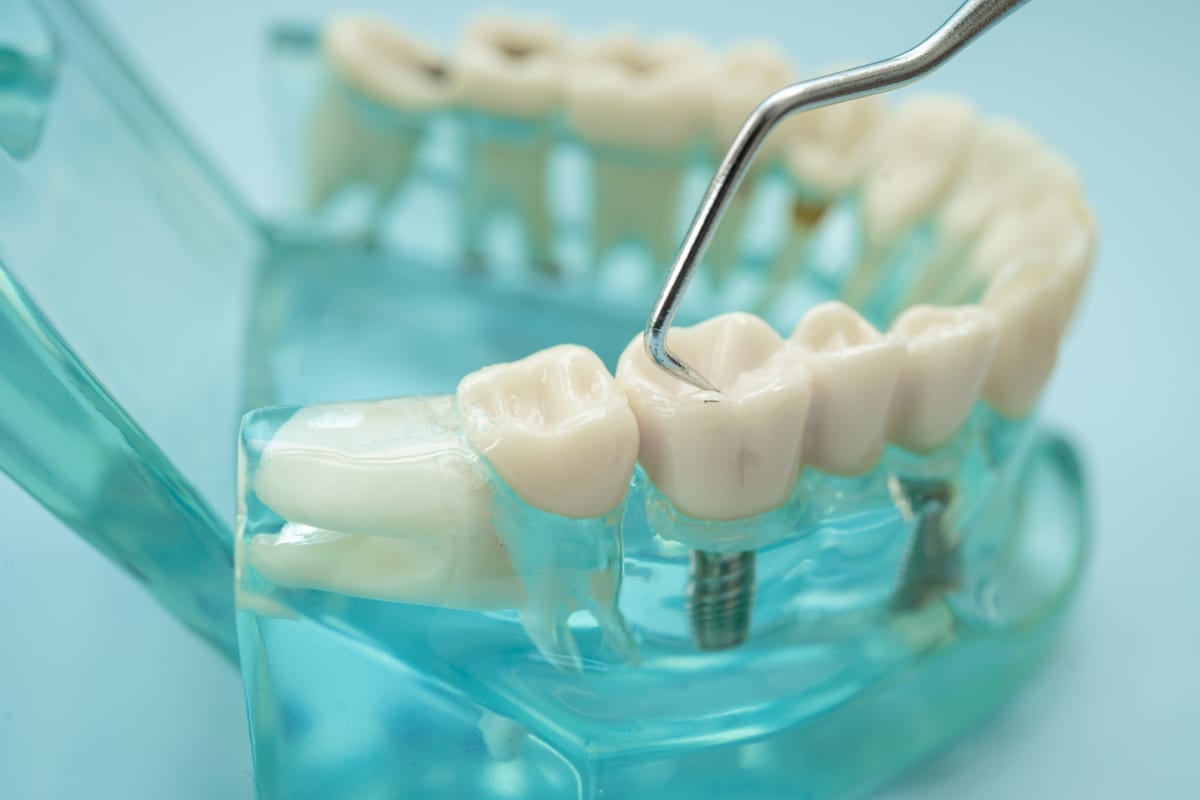
Dental implants offer a more permanent solution. They are titanium posts placed into the jawbone that support a crown, bridge, or implant-supported denture. Many patients over 60 are excellent implant candidates. Age alone is not a disqualifying factor. Your dentist will evaluate bone volume, gum health, and medical history to determine if implants are right for you.
Our dental team also provides guidance on when tooth extractions are necessary and how to plan for replacement right away. Leaving a gap too long leads to shifting teeth and additional bone loss.
Building a Senior Dental Routine That Works in Easley
The best thing any patient over 60 can do is commit to consistent preventive care. Twice-yearly dental cleanings and X-rays allow our team to monitor changes before they escalate. Bacteria testing is another tool we use to assess your personal decay risk and tailor your care plan accordingly.
At home, senior patients benefit from these daily habits:
- Brush twice daily with a soft-bristle toothbrush and fluoride toothpaste
- Floss or use an interdental brush once daily to clean between teeth
- Rinse with an alcohol-free fluoride or antibacterial mouthwash
- Drink plenty of water throughout the day to combat dry mouth
- Avoid sugary snacks and acidic drinks that accelerate root decay
If you wear dentures, clean them daily and remove them at night to give your gum tissue a rest. Visit us regularly even if you have no natural teeth—oral cancer screenings and gum health checks still matter.
Our team also discusses options like Cosmetic Dentistry for seniors who want to address staining, chips, or worn edges alongside their functional care. Looking good and feeling confident about your smile matters at every age.
Your Next Step for Senior Dental Care in Easley
Your smile deserves expert attention at every stage of life. The team at Cove Dental Care in Easley, SC understands the unique challenges seniors face—from dry mouth and gum recession to implant planning and denture care. We take time to listen, explain your options clearly, and help you make informed decisions about your oral health. Book Now to schedule your appointment with our team.
Frequently Asked Questions
Why do teeth become more sensitive after age 60?
Sensitivity after 60 usually comes from gum recession exposing root surfaces, enamel thinning from years of wear, or dry mouth reducing the protective effects of saliva. A dental exam can identify the exact cause and recommend the right treatment.
Can dry mouth from medications be treated without stopping the medication?
Yes. Our dental team can recommend saliva substitutes, prescription fluoride rinses, and hydration strategies that reduce decay risk without changing your medication. Always coordinate any medication adjustments with your prescribing physician.
Am I too old for dental implants?
Age alone does not disqualify anyone from implants. What matters most is jawbone density, gum health, and overall health. Many patients in their 70s and 80s successfully receive implants. A thorough evaluation at Cove Dental Care will give you a clear answer.
How often should seniors visit the dentist?
Most adults over 60 benefit from checkups and professional cleanings every six months. Some patients with higher decay risk or gum disease may need visits every three to four months. Your dental team will recommend the right schedule for your specific needs.
What is the difference between regular dentures and implant-supported dentures?
Regular dentures rest on the gums and can shift during eating or speaking. Implant-supported dentures attach to titanium implants in the jawbone, offering greater stability and helping preserve bone density over time. Our team can help you decide which option suits your health and lifestyle.