Best Non-Surgical TMJ Solutions at Cove Dental Care in Easley
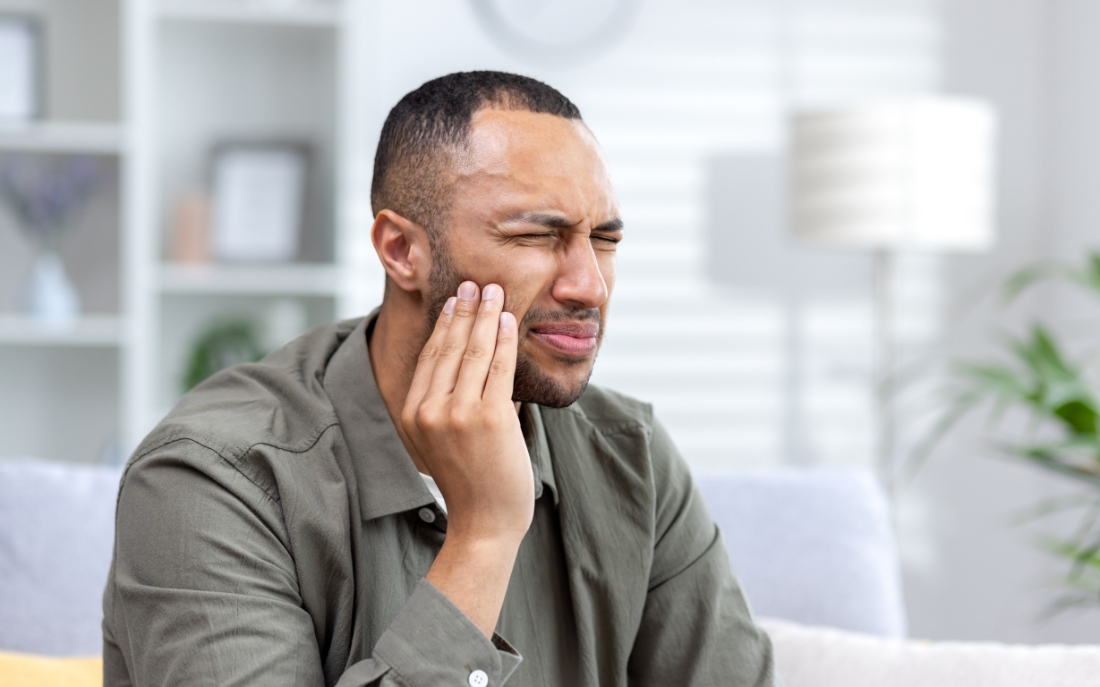
TMJ disorders sneak up on more people than you’d think. If you’re in Easley and your jaw aches, clicks, or just won’t cooperate when you chew, you’re not alone, and you don’t have to jump straight to surgery to get your life back. Cove Dental Care offers non-surgical treatments that really work, so you can feel like yourself again without needles or scalpels.
Let’s talk about what’s going on first.
The temporomandibular joint (TMJ) connects your jaw to your skull. When something throws it out of line—maybe from grinding your teeth, an old injury, stress, or arthritis—you get pain, stiffness, headaches, earaches, sometimes even a jaw that locks up. If you ignore it, things can worsen and start disrupting your daily routine.
The good news? Non-surgical TMJ treatments in Easley can keep things from spiraling and help you feel better faster.
Here’s what we offer at Cove Dental Care:
Custom Nightguards
A lot of TMJ pain comes from grinding your teeth, usually while you sleep. A custom nightguard slips over your teeth, giving your jaw a break and protecting both your teeth and those tired jaw muscles. Since they’re made just for you, they fit comfortably and make a difference in your jaw health. Nightguards ease tension, reduce pain, and prevent further trouble before it starts.
Physical Therapy
Sometimes, you just need to retrain your jaw. A physical therapist can show you exercises to stretch and strengthen those jaw muscles, helping to get things moving again and easing pain. They might even recommend gentle massages to work out the tension. It’s all about helping your jaw move more smoothly without causing pain.
Heat and Ice Therapy
Don’t underestimate the effects of a bit of heat or cold. A warm pack relaxes tight muscles, while an ice pack can numb the pain and reduce swelling. Switch between the two and you’ll probably notice your jaw feels less stiff and sore. It’s a simple, quick way to get through the day when TMJ acts up.
Stress Management
Stress and TMJ often co-occur. If you clench your jaw or grind your teeth when you’re tense, learning to manage stress can go a long way. Try deep breathing, meditation, yoga—whatever works for you. Make it a habit, and you’ll likely see fewer flare-ups and less pain.
Medications
Painkillers like ibuprofen or acetaminophen can help when things get rough. For complex cases, your dentist may recommend stronger options, such as prescription medications or muscle relaxants, to help stop spasms and calm the area.
When to See Us
If your jaw hurts, clicks, locks up, or you’re getting headaches that just won’t quit, don’t wait it out. Book a visit at Cove Dental Care. We’ll check your jaw, look at how everything’s working, and figure out what’s going wrong. Most of the time, these non-surgical fixes are all that is needed. If your TMJ issues are stubborn or severe, we’ll discuss the next steps with you and, if necessary, refer you to one of our specialists.
You don’t have to live with jaw pain, and you don’t have to face surgery right away. There’s help and real relief waiting for you, right here in Easley.
FAQs
What are the most common causes of TMJ disorders?
Common causes include teeth grinding, jaw injury, arthritis, or stress. Habits like nail-biting or chewing pens can also worsen your jaw condition.
How long does it take to feel relief from TMJ symptoms?
Relief from TMJ symptoms varies. Many patients experience noticeable improvement within a few weeks of using night guards or undergoing physical therapy. Chronic cases may take longer.
Can TMJ cause headaches?
Yes, TMJ disorders are often associated with tension headaches due to jaw muscle strain and misalignment of the jaw joint.
Are there long-term solutions for TMJ treatment?
Non-surgical solutions, such as physical therapy, nightguards, and stress management techniques, can provide long-term relief if maintained consistently.
How do I know if I need TMJ treatment?
If you’re experiencing persistent jaw pain, headaches, or clicking sounds when you move your jaw, it’s time to consult a dentist for evaluation.