
Complete vs. Partial Dentures: Which Is Best for Patients?
Dentures are a valuable solution for patients with missing teeth, offering restored functionality and improved appearance. Whether you’re dealing with a few missing teeth or a full set, dentures help you regain the confidence to smile and enjoy everyday activities.
In this blog, we’ll compare complete dentures and partial dentures, helping you decide which is the best option for your unique needs. We’ll address common concerns, such as comfort, cost, and aesthetics, so you can make an informed choice that aligns with your lifestyle.
What Are Dentures?
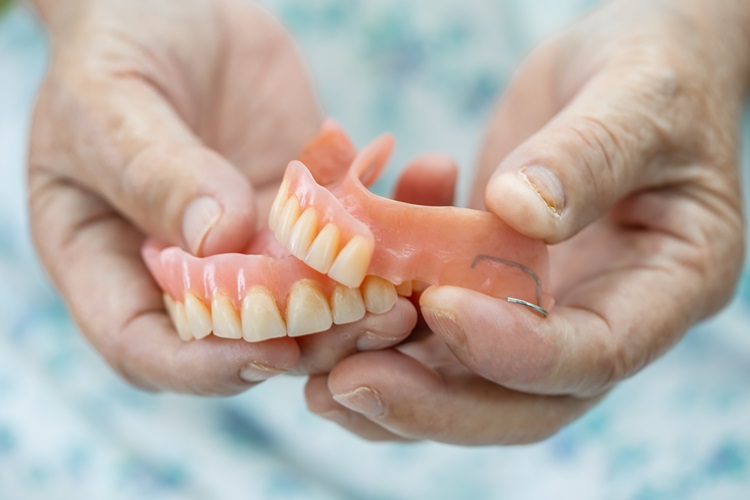
Dentures are custom-made, removable dental appliances that replace missing teeth, offering a practical solution for those who need help with eating, speaking, and smiling. They are designed to restore both the function and the appearance of natural teeth.
Moreover, dentures can be made of acrylic, porcelain, or metal, depending on your specific needs and preferences. The purpose of a denture in Greer is to fill gaps left by missing teeth, ensuring your smile looks complete while allowing you to speak and chew comfortably.
Both complete and partial dentures serve the same purpose of replacing lost teeth, but they differ in how they’re used and fitted. Complete dentures replace an entire set of teeth, while partial dentures are ideal for patients who still have some natural teeth left. By working with your dentist, you can ensure a perfect fit and the right choice for your oral health.
Types of Dentures
Complete Dentures
Complete dentures are designed for patients who have lost all of their teeth in one or both arches (upper or lower). They are fitted to replace the full set of teeth, offering both cosmetic and functional benefits. Complete dentures are typically made from acrylic or a combination of materials that mimic the appearance of natural teeth and gums.
Benefits of Complete Dentures:
- Full Mouth Restoration: If you’ve lost all your teeth, complete dentures provide an entirely new set, restoring your smile.
- Improved Function: They help improve your ability to chew, speak, and smile naturally, giving you back everyday functions that missing teeth can hinder.
- Aesthetic Appeal: Complete dentures are designed to resemble your natural teeth closely, enhancing the appearance of your face and smile.
Complete dentures also come with their own considerations, including potential discomfort, particularly in the initial stages as your mouth adjusts. However, with regular visits to your dentist, any discomfort can usually be managed effectively.
Partial Dentures
Partial dentures are ideal for patients who have lost some teeth but still have healthy natural teeth remaining. These dentures are designed to fill in gaps while using the remaining teeth as anchors. Partial dentures are typically made with a metal or acrylic base, offering a secure and functional fit. They are custom-designed to blend seamlessly with your existing teeth, ensuring a natural look.
Benefits of Partial Dentures:
- Preservation of Natural Teeth: By filling in the gaps, partial dentures help prevent your remaining natural teeth from shifting, maintaining the integrity of your smile.
- Flexible and Removable: These dentures can be easily removed for cleaning or overnight, offering convenience and flexibility.
- Improved Chewing and Speaking: Like complete dentures, partial dentures restore your ability to chew and speak clearly.
Since partial dentures are more personalized than complete dentures, they often provide a more secure fit with less adjustment needed. However, they may require more frequent cleaning and care to prevent the buildup of plaque or food particles.
Key Differences Between Complete and Partial Dentures
Coverage
The primary difference between complete and partial dentures lies in the number of teeth they cover. Complete dentures are designed for patients who have lost all of their teeth in either the upper or lower jaw. They cover the entire dental arch, providing a full restoration of both function and appearance.
Partial dentures, on the other hand, are used when some natural teeth remain. They fill in the gaps by replacing only the missing teeth, leaving the healthy teeth untouched.
Fit and Comfort
Both types of dentures are custom-made to fit the individual’s mouth, but the fit and comfort may vary. Complete dentures may require more adjustment initially as they need to sit securely on the gums without any natural teeth for support. While they can provide a stable fit over time, there may be periods of discomfort or slippage as your mouth adjusts.
Partial dentures, however, tend to offer a more comfortable fit because they rely on the remaining natural teeth to anchor the appliance, reducing the risk of slippage. However, they may cause slight pressure on the surrounding teeth.
Functionality
Both complete and partial dentures aim to restore essential functions such as speech and chewing. Complete dentures allow patients to regain full chewing ability, though it may take some time to adjust to eating with them. They also improve speech by filling in the gaps left by missing teeth. Partial dentures restore similar functionality but with the added benefit of helping to maintain the alignment of remaining teeth.
Since partial dentures fit more securely, they often provide better chewing efficiency than complete dentures for patients with a few remaining natural teeth.
Aesthetic Appeal
Aesthetically, both types of dentures are designed to look natural, but partial dentures often blend more seamlessly with the remaining teeth. Since complete dentures are a full set, they may appear slightly bulkier, especially when covering the gums completely.
However, both types can be made to mimic the look of natural teeth, providing significant aesthetic improvement.
Cost Considerations
Cost is an important factor to consider when choosing between complete and partial dentures. Complete dentures are typically more expensive due to the full restoration they provide, requiring more material and customization. Partial dentures may be less expensive since they only need to replace a few teeth, but costs can still vary depending on the materials used and the complexity of the case.
Many insurance plans may cover partial dentures, but may have different coverage for complete dentures, so it’s important to check with your insurance provider.
Factors to Consider When Choosing Dentures
Number of Missing Teeth
If you have lost all of your teeth, complete dentures are the best option. However, if you still have some natural teeth, partial dentures are ideal to fill in the gaps.
Oral Health
Healthy gums and remaining teeth play a significant role in determining which type of denture in Greer is suitable. For instance, partial dentures require healthy teeth to anchor the appliance securely.
Lifestyle Preferences
Consider your lifestyle preferences. If you prefer a more permanent solution, implants or a full set of dentures might be a better choice. For those looking for flexibility, partial dentures offer easy removal and care.
Budget
Dentures can be an investment, but financing options are available. Your dentist will help you explore options that fit your budget.
Benefits and Drawbacks of Each Option
Complete Dentures:
Pros: Full restoration, aesthetic improvement, functional benefits (better speech, chewing).
Cons: May require more adjustments, discomfort during the initial period, and needs careful maintenance to ensure long-lasting wear.
Partial Dentures:
Pros: Preserve remaining teeth, less invasive than full restorations, more comfortable, and often better fitting.
Cons: Potential for wear and tear, may need to adjust natural teeth to accommodate the appliance, and requires regular cleaning.
Which Is Best for You?
The best choice depends on your oral health and personal preferences. Complete dentures are ideal for patients with no remaining teeth, providing a full restoration of function and appearance. If you still have some healthy teeth and want to preserve them, partial dentures offer a great solution to fill in gaps and prevent further tooth loss.
Ultimately, consulting with your dentist at Cove Dental Care will ensure you make the right decision based on your unique dental needs and lifestyle.
Choosing the right dentures is a personal decision based on factors like the number of missing teeth, oral health, lifestyle preferences, and budget. Whether you need complete or partial dentures, Cove Dental Care is here to help you find the best solution.
Contact us for a consultation to determine which denture option suits your needs and restore your smile today.
People Also Ask
How long do dentures last?
With proper care, dentures can last between 5 to 10 years. Regular adjustments and cleaning are essential to ensure their longevity.
Do dentures affect speech?
Both complete and partial dentures help improve speech by filling the gaps caused by missing teeth. It may take some time to adjust, but speech improves once you get used to them.
Can I eat normally with dentures?
Both complete and partial dentures restore your ability to eat, but it may take time to adjust. Initially, it’s recommended to eat soft foods and gradually return to a regular diet.
Can dentures fix a lisp or difficulty speaking?
Yes, dentures can improve speech by filling in the gaps left by missing teeth. However, it may take some practice to speak clearly with your dentures, especially when you first get them.
Do dentures cause bad breath?
Bad breath can occur if dentures are not cleaned properly. Regular cleaning of both the dentures and your gums can help prevent odors and maintain fresh breath.