Senior Dental Care in Taylors, SC

If you are over 60 and living in Taylors, SC, you may have noticed your teeth feel different lately. Sensitivity is up. Gums look lower. Your mouth feels dry more often. Understanding why dental problems accelerate after 60 and what to do in Taylors can genuinely change how you protect your smile. Aging brings real biological shifts that affect your oral health — but none of them are inevitable with the right care.
How Aging Changes Your Mouth After 60
Your mouth changes significantly as you age. Enamel wears thinner over decades of chewing, grinding, and acid exposure. Gum tissue gradually recedes, exposing root surfaces that were never designed to handle daily contact with food and bacteria.
Saliva production also decreases naturally with age. Hundreds of common medications — for blood pressure, anxiety, and cholesterol — list dry mouth as a side effect. Saliva is your mouth’s built-in defense system. Without enough of it, cavity-causing bacteria thrive unchecked.
Bone density in the jaw can also decline over time. This affects how teeth are anchored and how well dentures or implants perform. These are not small changes — they compound each other and accelerate risk.
Why Dry Mouth and Root Decay Are Serious Concerns in Taylors
Root decay is one of the most common dental problems adults over 60 face. When gums recede, the softer root surface becomes exposed. Roots lack the hard enamel coating that protects the crown of your tooth. This makes them far more vulnerable to cavities.
Dry mouth makes this worse. Without saliva to neutralize acids and wash away bacteria, decay spreads faster. Many Taylors seniors take five or more daily medications. Each one may contribute to reduced saliva flow.
Signs of dry mouth include a sticky or burning sensation, frequent thirst, and difficulty swallowing dry foods. If you recognize these symptoms, tell your dental team right away. Early intervention prevents serious decay from taking hold.
- Drink water frequently throughout the day
- Avoid alcohol-based mouthwashes that dry tissue further
- Ask about prescription fluoride treatments for root protection
- Chew sugar-free gum to stimulate saliva production
- Mention all medications to your dental provider at every visit
Gum Disease Risk Rises Sharply With Age
Periodontal disease affects nearly 70 percent of adults over 65. It starts silently — with bleeding gums, mild inflammation, and slight recession. Many people dismiss these early warning signs as normal aging. They are not.
Untreated gum disease destroys the bone and tissue that hold teeth in place. It has also been linked to heart disease, diabetes complications, and respiratory issues. Your oral health directly affects your overall health.
Seniors in Taylors who smoke, have diabetes, or take certain medications face elevated risk. Regular professional cleanings remove the hardened buildup that home brushing cannot touch. Preventive Dentistry is the most effective tool available to stop gum disease before it progresses.
Consistent at-home care matters too. Brush twice daily with a soft-bristled brush. Floss or use an interdental cleaner every day. These habits protect roots and gum tissue between professional visits.
Dentures, Implants, and Tooth Loss After 60
Tooth loss becomes more common after 60 — but it is not unavoidable. When teeth are lost, the jawbone begins to shrink in that area. This changes facial structure over time and affects how you eat and speak.
Dentures are a common solution and have improved significantly in recent years. However, they require regular adjustments as the jaw changes shape. Ill-fitting dentures cause sore spots, difficulty chewing, and accelerated bone loss.
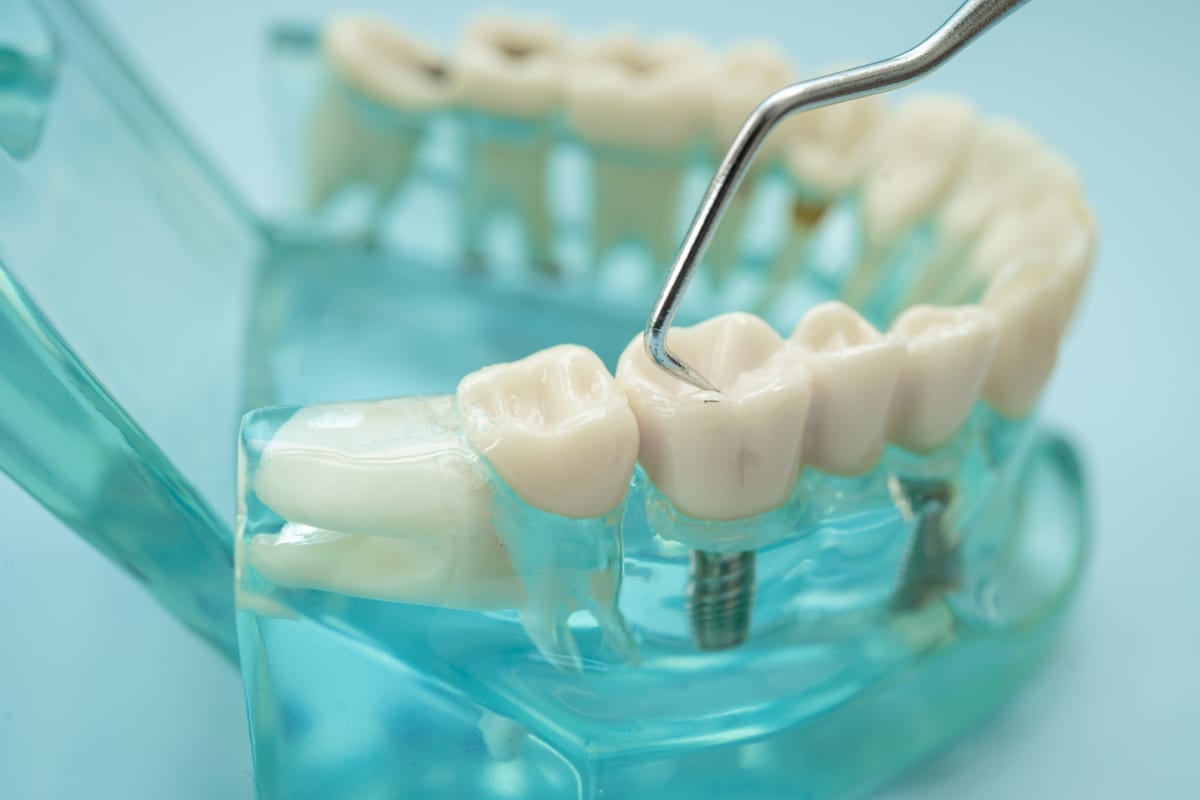
Dental implants offer a more permanent solution for eligible patients. They function like natural tooth roots and help preserve jawbone. Not every patient is a candidate — bone density and overall health play a role. Your dental team can evaluate your options and guide you through the decision honestly.
- Implants help preserve jawbone and facial structure
- Dentures must be relined or replaced as the jaw changes
- Partial dentures protect remaining teeth from shifting
- Missing teeth should be replaced promptly to prevent bone loss
- Regular checkups ensure dentures fit correctly and comfortably
What Seniors in Taylors Should Do Right Now
Understanding why dental problems accelerate after 60 and what to do in Taylors starts with consistent professional care. Twice-yearly dental visits are the baseline — but some seniors benefit from three or four cleanings per year depending on their risk level.
Dental X-rays help detect bone loss, hidden decay, and root problems before they become visible or painful. Bacteria testing can identify specific strains driving your decay or gum disease risk. These tools allow for truly personalized care rather than a one-size-fits-all approach.
If you have not seen a dentist recently, do not wait for pain to appear. Many serious dental conditions develop silently. Early detection saves teeth, saves money, and protects your overall health. The team at Cove Dental Care in Easley, SC serves patients throughout the Taylors area with compassionate, thorough care tailored to seniors.
You can also explore options like Cosmetic Dentistry to restore confidence in your smile alongside your dental health. A beautiful smile and a healthy mouth go hand in hand at any age.
Conclusion: Take Action for Your Smile After 60
Aging is unavoidable. Losing your teeth or living with pain is not. Seniors in Taylors, SC have access to expert dental care designed specifically for the challenges that come with age. From managing dry mouth to evaluating implant candidacy, the right dental team makes all the difference. Do not wait for a problem to worsen — take control of your oral health today. Book Now to schedule your appointment with our team.
Frequently Asked Questions
Why do cavities become more common after age 60?
Gum recession exposes softer root surfaces that are more vulnerable to decay. Dry mouth — often caused by medications — reduces saliva, which normally protects teeth from bacteria. Together, these factors make cavities far more likely after 60.
How often should seniors visit the dentist?
Most dental professionals recommend at least two visits per year. However, seniors with dry mouth, gum disease, or a history of frequent cavities may benefit from three or four cleanings annually. Your dental team will recommend the right schedule for your needs.
Are dental implants safe for older adults?
Yes, dental implants are safe for many older adults. Candidacy depends on factors like jawbone density, overall health, and healing ability. A thorough evaluation will determine whether implants are a suitable option for you.
What can I do at home to manage dry mouth?
Drink water frequently, avoid alcohol-based mouthwashes, and chew sugar-free gum to stimulate saliva. Ask your dentist about prescription fluoride treatments or saliva-substitute products that can help protect your teeth between visits.
Is gum disease reversible in seniors?
Early-stage gum disease, called gingivitis, is reversible with professional cleaning and improved home care. Advanced gum disease cannot be fully reversed, but it can be managed effectively to stop further bone and tissue loss. Early treatment delivers the best outcomes.