Who’s Actually a Good Candidate for Dental Implants
If you’ve been wondering who’s actually a good candidate for dental implants in Easley, you’re not alone. Many patients ask this question before even scheduling a consultation. The honest answer is that most healthy adults qualify — but a few key factors do matter. Understanding those factors helps you walk in with realistic expectations and real confidence.
Dental implants are considered the gold standard for replacing missing teeth. They look natural, function like real teeth, and can last a lifetime with proper care. But they aren’t automatically the right fit for everyone. Let’s break down exactly what makes someone a strong candidate — and what might require a little extra planning.
Age and Dental Implant Candidacy in Easley
Age plays a role in implant candidacy — but maybe not in the way you’d expect. Adults of almost any age can receive dental implants. There is no upper age limit for this procedure.
The main age-related concern is on the younger end. Teenagers and young adults whose jawbones are still developing are generally not candidates yet. Implants need a fully grown jaw to integrate successfully. Most dentists wait until patients are in their late teens or early twenties before considering implants.
For older adults, age itself is rarely the barrier. What matters more is overall health and bone quality. A healthy 70-year-old can be an excellent candidate. Age is just one piece of a much larger picture.
Why Bone Density Matters for Implant Success
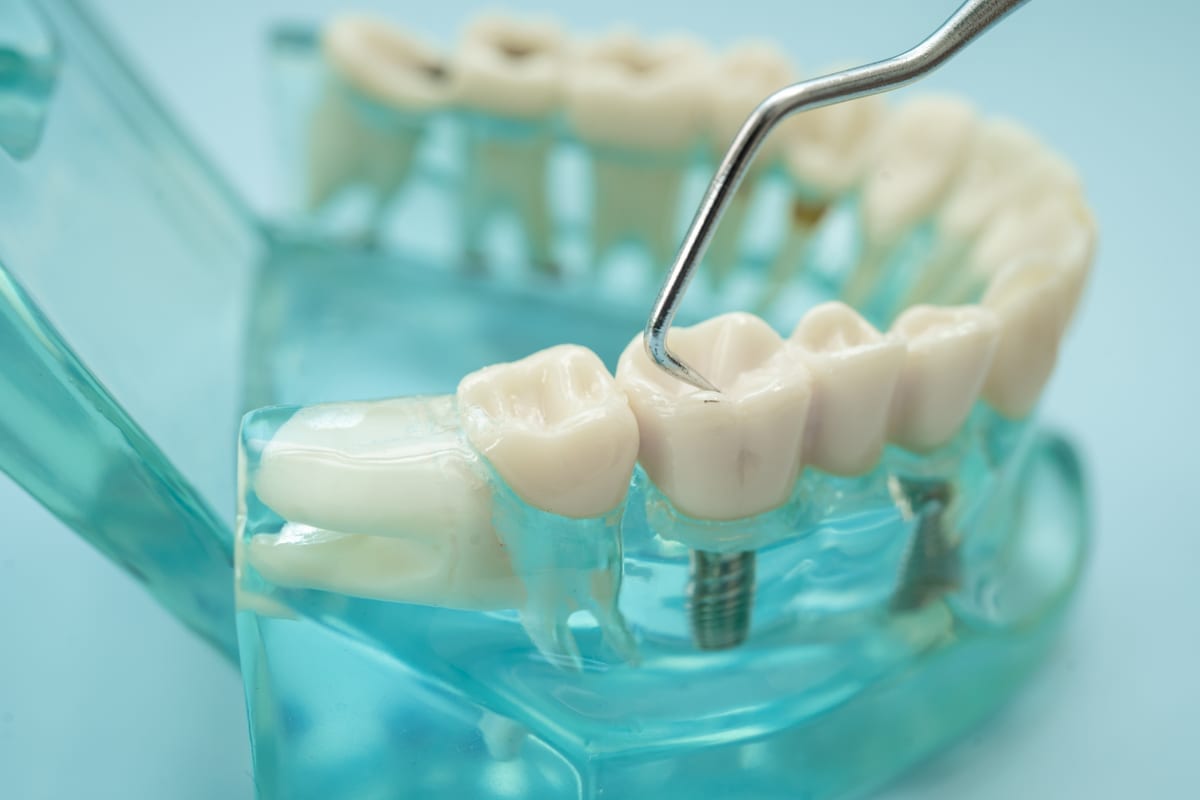
Bone density is one of the most critical factors in determining candidacy. Implants are titanium posts that fuse directly with your jawbone. If the bone isn’t dense or thick enough, the implant won’t have a stable foundation to anchor into.
Bone loss often happens after a tooth is extracted. The longer a tooth has been missing, the more bone may have deteriorated in that area. This is one reason dentists encourage prompt replacement of missing teeth.
The good news is that insufficient bone doesn’t automatically disqualify you. Bone grafting is a common procedure that rebuilds lost bone before implant placement. Many patients who initially seem like poor candidates become excellent ones after grafting. Your dental team will evaluate your bone structure using dental X-rays and imaging during your consultation.
- Healthy, dense bone supports long-term implant stability
- Bone loss can occur quickly after tooth extraction
- Bone grafts can restore lost bone volume effectively
- X-rays and 3D imaging help assess bone quality accurately
- Early action after tooth loss preserves more natural bone
Health Conditions That Affect Implant Candidacy
Certain health conditions can influence whether implants are the right choice — or whether extra precautions are needed. This doesn’t mean those conditions automatically disqualify you. It simply means your dental team needs the full picture of your health.
Uncontrolled diabetes is one condition that raises concern. High blood sugar slows healing and increases infection risk. However, patients with well-managed diabetes often proceed successfully with implants. Control matters more than the diagnosis itself.
Autoimmune disorders, osteoporosis, and certain medications can also affect how well implants integrate with bone. Some medications used to treat bone conditions have been linked to jaw complications. Always share your full medication list with your dentist before any procedure.
Heart conditions, cancer history, and radiation therapy to the jaw area are additional factors to discuss. These don’t always rule out implants. They do require careful planning and sometimes coordination with your primary care physician.
- Well-controlled diabetes often allows for successful implant placement
- Osteoporosis medications may affect bone healing around implants
- Cancer treatment history — especially jaw radiation — requires special evaluation
- Autoimmune conditions may slow osseointegration (bone fusion)
- Sharing your full health history protects your long-term outcomes
Smoking and Dental Implants: An Honest Conversation
Smoking is one of the most significant risk factors for implant failure. Tobacco use restricts blood flow to the gums and bone. This slows healing after surgery and increases the risk of infection and implant rejection.
Studies consistently show higher failure rates among smokers compared to non-smokers. This applies to both cigarettes and smokeless tobacco products. Vaping and e-cigarettes also carry similar risks, though research is still developing in this area.
Does smoking automatically disqualify you? Not necessarily. Many smokers receive implants successfully. However, most dentists strongly recommend quitting — or at minimum stopping — for several weeks before and after the procedure. The longer you can abstain, the better your chances of success.
If you smoke and want implants, be honest with your dental team. They can help you create a realistic plan. Quitting smoking also benefits your overall oral health and your eligibility for services like Cosmetic Dentistry Easley patients rely on for beautiful, lasting smiles.
Other Factors Your Dentist Will Evaluate
Beyond age, bone, health, and smoking, a few other elements influence candidacy. Gum health is one of them. Active gum disease must be treated before implants are placed. Infection around the implant site can derail the entire process.
Good oral hygiene habits also matter for long-term success. Implants require the same daily care as natural teeth. Brushing, flossing, and regular professional cleanings keep them functioning well for decades. Committing to Preventive Dentistry Easley patients trust is one of the best ways to protect your implant investment.
Teeth grinding — known as bruxism — is another consideration. Grinding puts excessive pressure on implants. Your dentist may recommend a custom mouthguard to protect your implants after placement. Addressing grinding before or alongside implant treatment improves outcomes significantly.
Finally, your commitment to follow-up care matters. The healing process after implant surgery takes months. Attending all scheduled appointments ensures your implant integrates properly and any issues are caught early.
What the Candidacy Evaluation Looks Like at Cove Dental Care
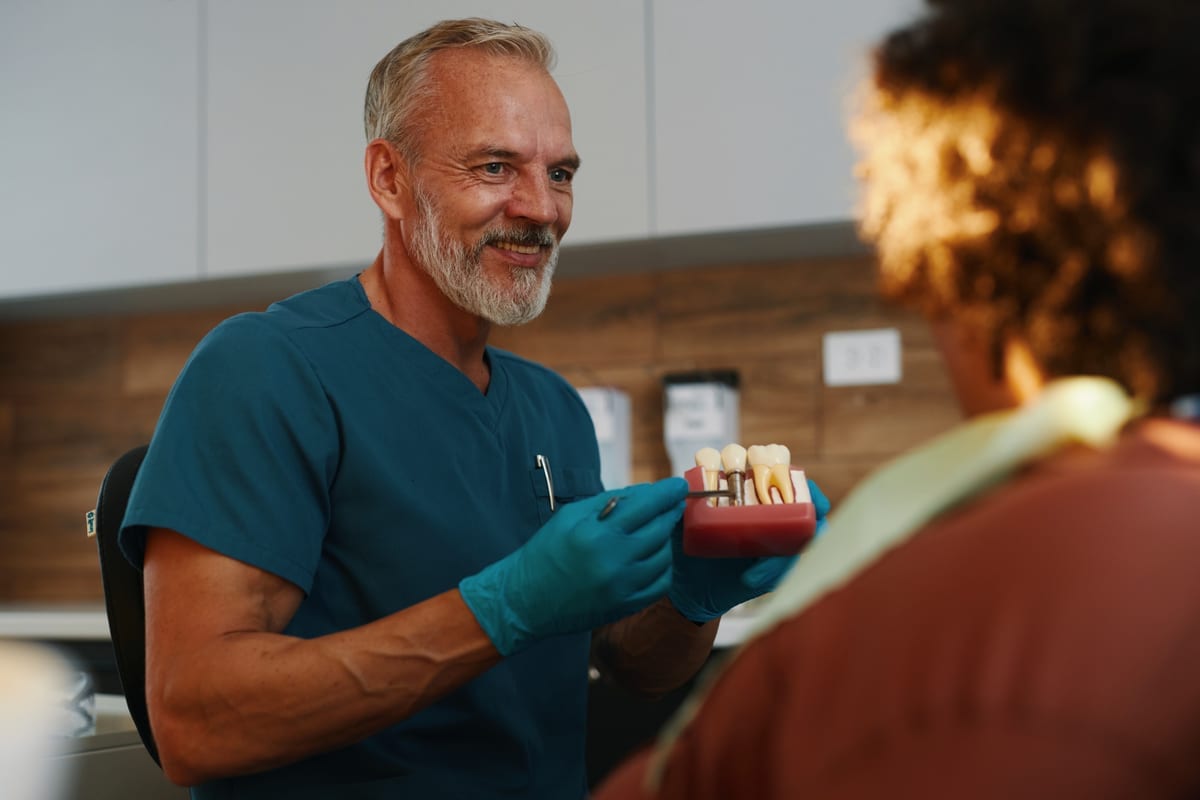
At Cove Dental Care in Easley, SC, our dental team takes a thorough, personalized approach to implant evaluations. We don’t use a one-size-fits-all checklist. We look at your full oral and medical history, take detailed X-rays, and assess your bone structure carefully.
We also take time to listen. If you have concerns about a health condition, a history of smoking, or questions about bone grafting, we address them directly. Our goal is to give you an honest picture of your candidacy — not just tell you what you want to hear.
If implants aren’t the right fit right now, we’ll explain why and discuss your options. If they are, we’ll outline a clear treatment plan that fits your situation. You deserve transparent answers before making any decision.
Frequently Asked Questions
Can seniors get dental implants?
Yes, seniors are often excellent candidates for dental implants. There is no upper age limit for the procedure. What matters most is overall health, adequate bone density, and the absence of uncontrolled medical conditions. Many older patients enjoy successful implants that last the rest of their lives.
What if I’ve already lost significant bone in my jaw?
Significant bone loss doesn’t automatically disqualify you from dental implants. Bone grafting procedures can rebuild lost bone volume before implant placement. Your dental team will use X-rays and imaging to assess the extent of bone loss and determine whether grafting is needed.
Do I have to quit smoking to get dental implants?
Quitting smoking greatly improves your chances of implant success. Smoking restricts blood flow and slows healing, which increases the risk of implant failure. While some smokers do receive implants, most dentists strongly recommend stopping for a significant period before and after surgery.
How long does the implant process take from start to finish?
The full implant process typically takes several months. After placement, the implant must fuse with the jawbone — a process called osseointegration — which takes three to six months on average. The timeline varies based on individual healing, whether bone grafting was needed, and other personal health factors.
Will my existing gum disease prevent me from getting implants?
Active gum disease must be treated before dental implants can be placed. Infection in the gum tissue and bone can cause implants to fail. Once gum disease is under control through proper treatment, many patients become eligible candidates. Your dental team will evaluate your gum health as part of the implant consultation.
If you’ve been on the fence about dental implants in Easley, SC, the best next step is a personalized consultation. Our dental team at Cove Dental Care is here to give you honest, thorough answers. Book Now to schedule your appointment with our team.