Dental Sealants and Fluoride: What Research Actually Says About Safety

Parents in Easley, SC ask us about dental sealants and fluoride more than almost any other topic. Questions about safety, effectiveness, and age appropriateness come up constantly. That concern is completely valid — you want to make informed decisions for your child. This article breaks down what the research actually says, so you can feel confident moving forward.
Understanding Dental Sealants and Fluoride: What Research Actually Says About Safety in Easley
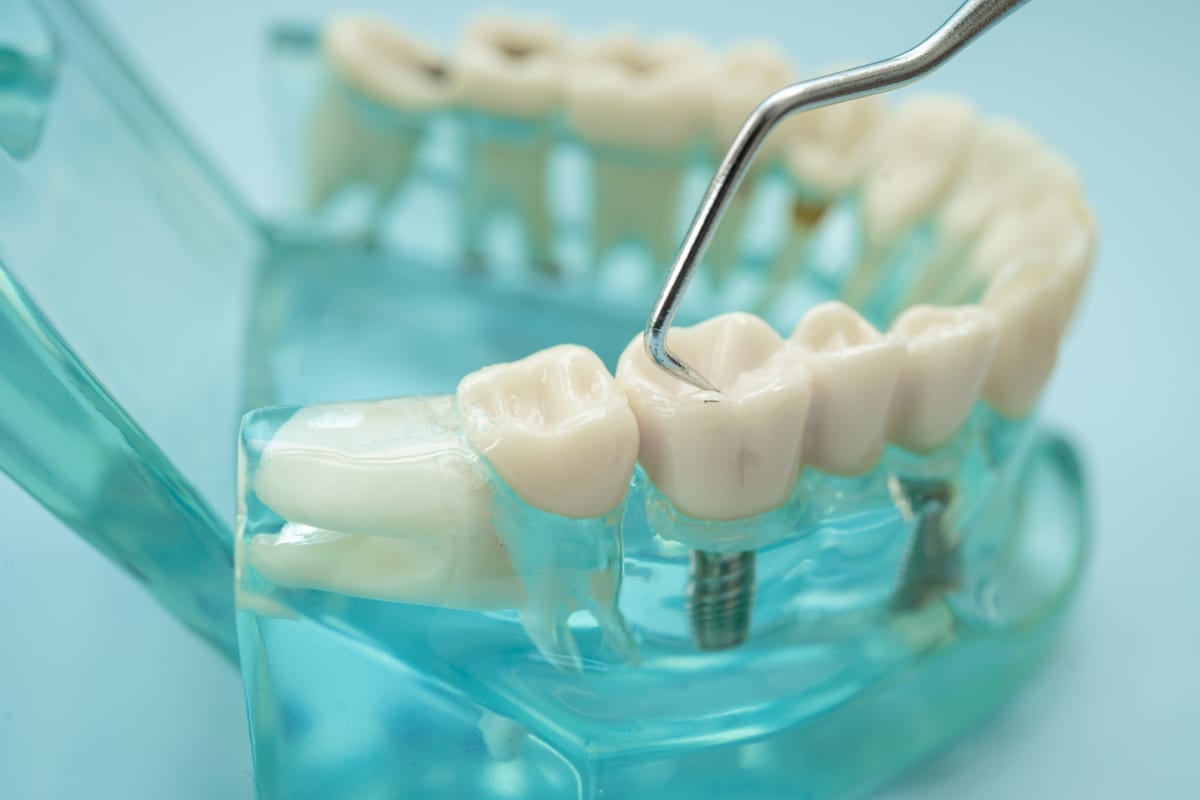
Dental sealants are thin protective coatings applied to the chewing surfaces of back teeth. They fill in the deep grooves where bacteria and food particles like to hide. Fluoride is a naturally occurring mineral that strengthens tooth enamel against decay. Together, they form one of the most well-studied prevention combinations in modern dentistry.
Decades of clinical research support the safety of both treatments. Major health organizations — including the American Dental Association and the CDC — consistently endorse them. The evidence is not based on a single study but on generations of accumulated data. Families in Easley deserve to know that these tools are backed by real science.
One common concern involves BPA in sealants. Some older sealant materials did contain trace amounts of BPA-related compounds. Modern dental sealants use updated resin formulations that minimize this exposure significantly. The amount of BPA released is far lower than what people encounter in everyday items like water bottles or food packaging.
Is Fluoride Safe for Children? What the Evidence Shows
Fluoride safety has been studied for over 75 years. Community water fluoridation began in the 1940s and has been monitored continuously since then. Research consistently shows it reduces tooth decay by up to 25% in children and adults. That is a significant public health benefit supported by enormous amounts of data.
Some parents worry about fluorosis, which causes faint white streaks on teeth. Fluorosis can occur when young children consume too much fluoride during tooth development. However, mild fluorosis is primarily cosmetic and does not affect tooth function. Using the right amount of fluoride toothpaste at the right age prevents this issue entirely.
Here is what research-backed fluoride use looks like by age group:
- Under 3 years: Use a rice-grain-sized smear of fluoride toothpaste
- Ages 3–6: Use a pea-sized amount and supervise brushing
- Ages 6 and up: Standard fluoride toothpaste and professional treatments as recommended
- Adults: Fluoride treatments help protect against root decay and sensitivity
Professional fluoride applications at the dental office use higher concentrations than home products. These are applied quickly and in controlled amounts by trained professionals. The risk of harm from professional fluoride treatment is extremely low. Benefits to enamel strength and cavity prevention are well established.
The Real Prevention Value of Sealants and Fluoride
Prevention is always more effective — and less costly — than treating cavities after they form. Preventive Dentistry Easley services like sealants and fluoride treatments address the root problem before it starts. This approach saves children from painful fillings and protects their long-term oral health. It also reduces the overall burden of dental treatment across a child’s lifetime.
Sealants are especially effective on molars, which are the hardest teeth to clean properly. Children’s molars have deep pits and fissures that even good brushing cannot always reach. Sealants physically block bacteria from settling in those areas. Studies show they can reduce cavity risk in back teeth by up to 80% in the first two years after application.
The benefits of dental sealants are well documented and include:
- Protection of deep molar grooves from bacterial buildup
- Reduction in cavity formation without any drilling
- Quick, painless application that children tolerate easily
- Long-lasting protection that can be reapplied as needed
- Cost-effective prevention compared to restorative dental work
Fluoride strengthens the enamel that protects every tooth surface. It works by remineralizing early areas of decay before they become full cavities. When combined with sealants, the two treatments cover different aspects of protection. That layered approach gives children the strongest possible defense against tooth decay.
Age Appropriateness: When Should Children Get Sealants and Fluoride?
Timing matters when it comes to both treatments. Sealants are most effective when applied shortly after permanent molars erupt. The first permanent molars typically come in around age 6. The second set usually arrives around age 12, creating two important windows for sealant application.
Some children also benefit from sealants on baby teeth with deep grooves. Baby teeth serve as placeholders for permanent teeth, so protecting them matters. Your dental team at Cove Dental Care will evaluate each child individually. Not every tooth requires a sealant, and recommendations are always personalized.
Fluoride treatments are appropriate from the very first dental visit. The American Academy of Pediatric Dentistry recommends fluoride varnish starting at age one. These early treatments are quick and well-tolerated by young children. Starting early establishes strong enamel during the most vulnerable years of development.
Adults benefit from fluoride too, especially those at higher risk for decay. People with dry mouth, gum recession, or frequent cavities often see real improvement with professional fluoride applications. There is no age at which fluoride stops being beneficial for oral health. Our dental team tailors recommendations to each patient’s specific needs and history.
What Families in Easley Should Know Before Their Next Visit
Choosing preventive treatments is one of the most impactful decisions you can make for your child’s dental health. Sealants and fluoride are not experimental — they are proven, time-tested tools. Families across Easley trust Cove Dental Care to guide these decisions with honesty and care. Our approach is always grounded in current evidence, not trends or fear.
If you have questions about specific ingredients or application methods, just ask us. We welcome detailed conversations and never dismiss parent concerns. Transparency is part of how we build lasting trust with every family we serve. You deserve clear answers, not vague reassurances.
We also understand that every child is different. Some kids have naturally higher cavity risk due to diet, genetics, or tooth anatomy. Others may need less intervention with consistent home care. Our dental team will always walk you through the reasoning behind any recommendation we make.
Cove Dental Care is here to be your partner in long-term oral health — for every member of your family. Book Now to schedule your appointment with our team.
Frequently Asked Questions
Are dental sealants safe for young children?
Yes, dental sealants are considered safe for young children by major dental and medical organizations. Modern sealant materials have been updated to minimize any trace chemical exposure. The cavity prevention benefits far outweigh the minimal risk associated with sealant application. Our team uses current, research-approved materials at Cove Dental Care.
How often does my child need a fluoride treatment?
Most children benefit from professional fluoride treatments every six months during routine dental visits. Children at higher cavity risk may need more frequent applications as recommended by their dentist. The frequency is always based on individual risk factors, not a one-size-fits-all schedule. Your dental team will provide a personalized recommendation at each visit.
Can adults get dental sealants too?
Yes, adults can benefit from sealants if they have deep grooves in their molars without existing decay or fillings. Sealants are most commonly placed in childhood, but there is no strict age limit. Adults at higher risk for cavities are good candidates for this protective treatment. Ask our team at your next visit whether sealants make sense for your situation.
Does fluoride in drinking water make professional fluoride treatments unnecessary?
Fluoridated water provides a low-level benefit throughout the day, which is valuable for overall enamel health. However, professional fluoride treatments deliver a higher concentration directly to tooth surfaces for a stronger protective effect. The two approaches work differently and complement each other well. Most dental guidelines still recommend professional treatments even when patients drink fluoridated water.
How long do dental sealants last?
Dental sealants typically last between five and ten years with proper care. Your dentist will check them at each visit and reapply them if they chip or wear down. Sealants are a durable and cost-effective solution for long-term cavity prevention. Keeping up with regular dental visits ensures they stay intact and continue protecting your child’s teeth.